When access
is not enough.
A retained physician-scientist relationship for care that requires unusual depth, continuity, and judgment.
 San Francisco
 A retained physician-scientist relationship for care that requires unusual depth, continuity, and judgment.
The practice is limited to ten patients. Population evidence informs care; it does not define an individual.
Bring your history, priorities, and experience into view.
Understand the pattern—and what better would mean for you.
Decide what to try, what to watch, and when to review.
What actually happens may differ from what was expected.
Keep what we have learned. Reconsider what comes next.
Care involves several specialists, a long medical history, or decisions that depend on seeing the whole picture rather than one problem at a time.
A diagnosis, treatment choice, or change in health calls for careful review, additional perspective, and a physician who can stay with the question.
The goal is not simply more testing, but a strategy connecting risk, evidence, personal priorities, and response over time.
One physician holds the context, coordinates the work, and helps the plan evolve.
A relationship shaped around the patient. Dedicated physician time, coordination, and continuity, with scope matched to complexity and need.
An annual reserve of physician time, within and beyond the consultation.
Deep record review, research, advocacy, referrals, and correspondence
Room for consequential decisions that cannot be compressed into a routine visit
Secure, direct channels and response expectations matched to the clinical situation.
Direct, secure communication with Dr. Sanger
After-hours phone access, with trusted physician backup
One physician retains the whole picture while outside expertise is brought in deliberately.
Dr. Sanger can join key specialist conversations when useful
Thoughtful scheduling and preparation around important consultations
Recommendations reconciled across specialists and institutions
The retained relationship includes practical support for nutrition, movement, medication, and recovery.
A vetted team is brought in around the patient’s priorities rather than as disconnected services
Dr. Sanger retains the medical through-line
Testing selected to answer a question. Findings followed over time.
Measurements interpreted in the context of history, goals, and changing response
New information is incorporated into an evolving plan
Biomedical informatics is part of Dr. Sanger’s medical craft, not a product layered on top of it. Computational methods extend the field of view across records, evidence, and change over time. Interpretation and care remain physician-led.
Reconcile records, imaging, laboratory results, and specialist notes into a legible whole, with each finding connected to its source.
Retrieve and compare guidelines, trials, specialist perspectives, and emerging literature against the patient’s actual eligibility, risks, and goals.
Flag conflicts, missing measurements, assumptions, and unresolved questions for deliberate physician review.
Relate interventions to subsequent symptoms, function, biomarkers, and clinical events so the plan can learn from response over time.
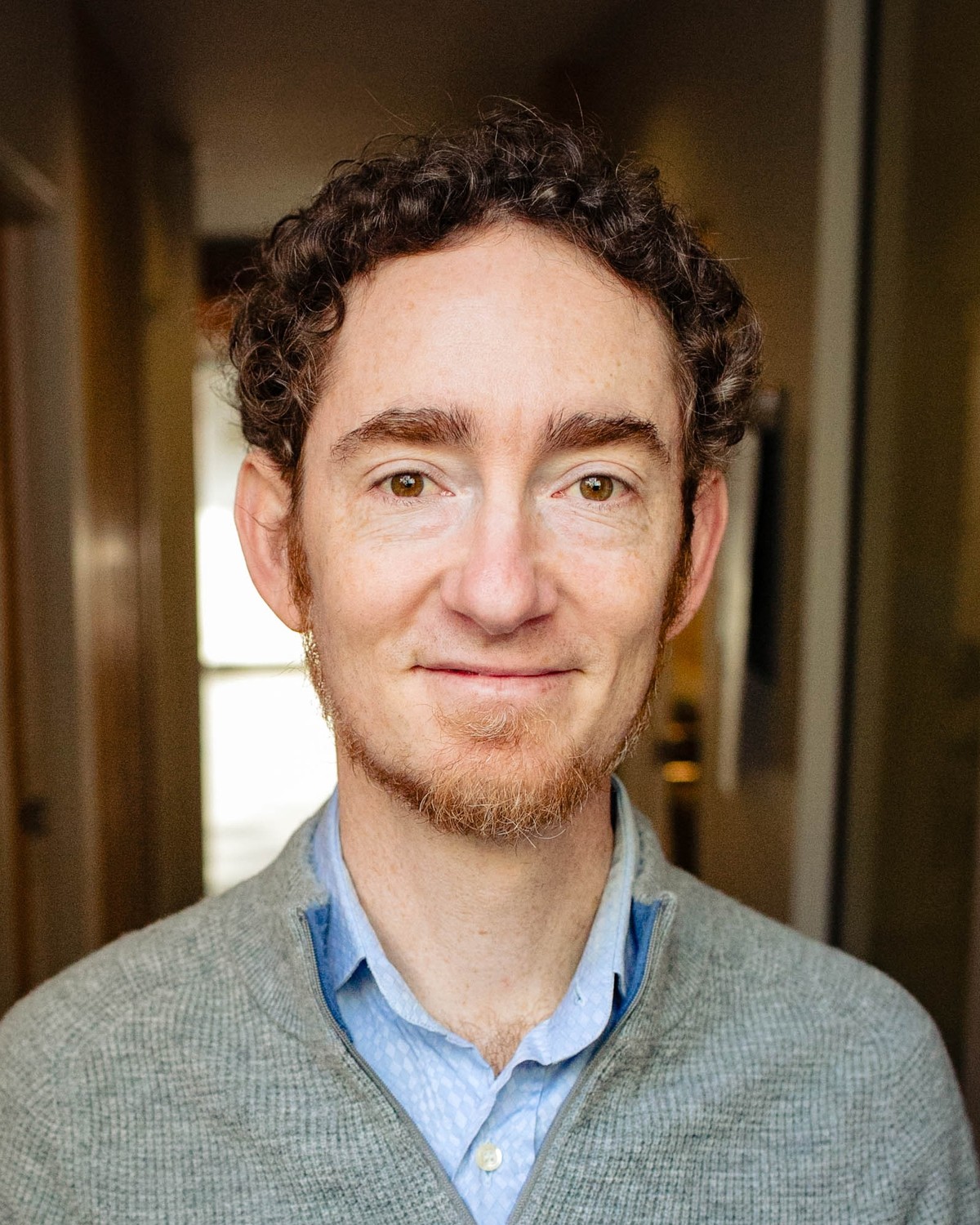
Dr. Sanger trained at Yale University, earned his MD/PhD in biomedical informatics from the University of Washington, and completed residency in primary care internal medicine at the University of California, San Francisco. Before entering private practice, he practiced primary care at Palo Alto Medical Foundation. He is board certified in Internal Medicine and Clinical Informatics, and has advanced training in clinical lipidology. He serves as Chief Longevity Doctor for PeakHealth AI.
Slow medicine, in rigorous conversation with emerging evidence and technology. A coherent strategy shaped around one patient’s history, priorities, and response.